Is Your Cat Panting? What It Could Mean and When to Worry
Cats communicate a lot through their body language and behavior, and breathing patterns are no exception. While dogs pant regularly to cool down, cats do not depend on panting in the same way. So when panting happens, it gets attention quickly. Maybe you’ve noticed your cat panting after a high-energy play session, a stressful car ride, or a hot day near a sunny window. Or perhaps the panting appears randomly and lasts longer than expected. Sahara Pines Animal Hospital in Las Vegas, NV can help evaluate what’s going on and offer appropriate next steps. If you’re concerned or noticing changes in your cat’s breathing, call (702) 876-7580 or book an appointment online today. This blog explains why panting happens, situations where it may be normal, and when it may be best to pick up the phone and schedule an appointment.
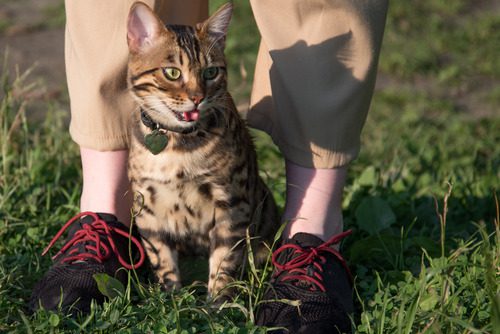
Why Is My Cat Panting?
Cat panting can happen for a variety of reasons. Some are related to normal responses to excitement or heat, while others may involve physical or medical causes that require attention. Knowing what’s considered a mild reaction versus a possible emergency helps guide your next step.
Heat or Overexertion
Cats can pant when they become overheated. Las Vegas temperatures rise quickly, and indoor spaces can warm up faster than expected. After running around the house or chasing toys at high speed, your cat may briefly pant to help regulate their body temperature. This panting should stop once your cat rests and cools down. If panting continues for several minutes or intensifies, it may signal something more than simple heat or exercise fatigue.
Stress or Anxiety
Cats respond to stress differently than dogs, and panting is one of the signs they may show when feeling overwhelmed. Car rides, visits to new places, loud noises, meeting new animals, or even a change in routine can lead to a panting episode. This type of panting often happens suddenly and may be accompanied by pacing, wide eyes, or vocalizing. If panting caused by stress stops once the situation calms down, it is typically considered a temporary reaction. However, if stress seems to trigger panting regularly, it may be helpful to schedule a consultation to discuss strategies that support your cat’s emotional comfort.
When Cat Panting May Point to a Health Concern
Panting that appears without an obvious trigger, persists for more than a minute or two, or happens frequently can indicate a medical issue that needs attention. Cats are experts at hiding discomfort, so changes in breathing can sometimes be one of the first signs that something isn’t right.
Respiratory Conditions
Conditions affecting the lungs or airways may lead to labored breathing. This can make your cat work harder to move air in and out, which may look like panting. Additional signs may include wheezing, coughing, or breathing with the head and neck stretched forward. These signals should be evaluated promptly to determine the underlying cause.
Heart Conditions
The heart plays a direct role in how efficiently the body distributes oxygen. Heart-related conditions can cause fast breathing, fatigue, or panting during rest. Cats may also show subtle signs, such as reduced activity or a change in appetite. Because heart concerns require timely attention, reach out to our veterinary team if you notice your cat panting without an obvious reason.
Pain or Discomfort
Cats rarely cry out when something hurts. Instead, they often hide or slow down. In some cases, pain can cause panting because the body is under stress. Pain-related panting may appear after an injury or may be connected to an internal issue. If you suspect pain, contacting your veterinarian is the safest next step.
What to Observe When Your Cat Is Panting
If your cat begins panting, staying calm and observing can help you provide useful information to your veterinarian. The goal is not to diagnose, but to note what you see and when you see it.
Take note of:
- What was happening before the panting started (play, heat, stress, nothing noticeable)
- How long the panting episode lasted
- Your cat’s posture (standing, lying stretched out, crouched)
- Any additional signs such as coughing, drooling, pale gums, or hiding
- Whether your cat returns to normal behavior quickly, or continues to seem tired or unsettled
These observations can help guide your veterinarian’s evaluation.
How Sahara Pines Animal Hospital Supports Cats with Breathing Changes
If your cat is panting and you feel unsure about what’s causing it, reaching out is always the right choice. Sahara Pines Animal Hospital in Las Vegas has the experience, diagnostic tools, and supportive approach to evaluate your cat’s breathing and determine what may be contributing to the panting. Our team may recommend a physical examination, imaging, or other diagnostics to better understand your cat’s health.
From there, your veterinarian can walk you through options based on your cat’s needs and current condition. The goal is to help your cat feel more comfortable and support their well-being going forward. If you have concerns about cat panting or changes in behavior, call (702) 876-7580 or book an appointment online today.
Recent Posts

About Sahara Pines Animal Hospital
For exceptional veterinary care in an environment that welcomes you as family, partner with Sahara Pines Animal Hospital and we’ll help you meet all your pet’s needs for a lifetime.