Is Your Cat’s Drooling Normal or a Cause for Concern?
Cat drooling is one of those symptoms that can mean completely different things depending on the context. For some cats, a little drool while kneading or purring is perfectly normal. For others, cat drooling can signal something that needs immediate veterinary attention. At Sahara Pines Animal Hospital in Las Vegas, NV, we want you to feel confident knowing the difference. Let’s break down what’s behind your cat drooling and when it’s time to give us a call.
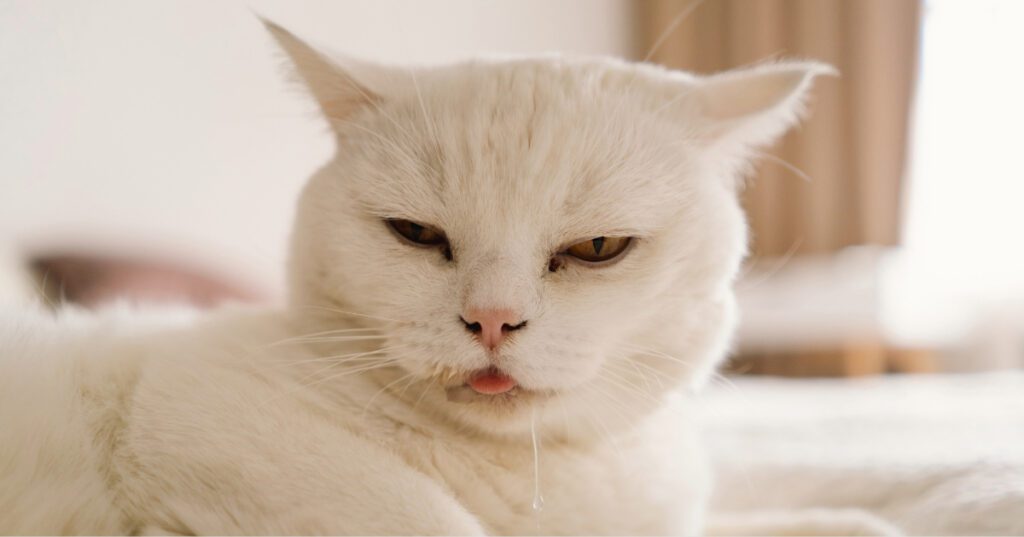
Is It Normal for Cats to Drool?
The short answer: sometimes. Unlike dogs, cats are not known for drooling. So when you notice your cat drooling, it often stands out. Occasional, situational drooling can be completely benign, but frequent or unexplained cat drooling typically warrants a closer look.
The key is context. Is your cat drooling while being petted and purring contentedly? That’s likely normal. Is your cat drooling suddenly and excessively with no apparent reason? That’s a different story.
Normal Reasons Cats Drool
Not all cat drooling is a red flag. There are several situations where drooling is a completely expected and healthy response in cats.
Relaxation and Contentment
Many cats drool when they are deeply relaxed or happy. This is sometimes called “happy drooling” and tends to happen during kneading, cuddling, or purring. If your cat has done this consistently throughout their life and is otherwise healthy, it’s generally not cause for concern.
Anticipation of Food
Some cats produce excess saliva when they smell or anticipate food. You might notice your cat drooling right before mealtime when the food bowl comes out. This is a normal physiological response driven by the digestive system gearing up for eating.
Stress or Anxiety
Car rides, vet visits, and other stressful experiences can trigger temporary drooling in cats. This type of stress-related cat drooling typically resolves once the stressful event is over and your cat has returned to their comfortable home environment.
When Is Cat Drooling a Sign of a Problem?
While situational drooling is manageable, there are many medical conditions that cause a cat to drool excessively or unexpectedly. Abnormal cat drooling often comes with other symptoms and tends to appear suddenly rather than gradually. Below are some of the most common causes of pathological cat drooling.
Dental Disease and Oral Pain
Dental disease is one of the leading causes of excessive cat drooling. Periodontal disease, tooth resorption, abscesses, and oral ulcers are all painful conditions that stimulate excess saliva production. If your cat is drooling and also having difficulty eating, pawing at their mouth, or showing signs of discomfort, dental disease should be high on the list of suspects. Regular dental checkups at Sahara Pines Animal Hospital can help catch oral disease early before it progresses to a painful, drool-inducing stage.
Nausea
Just like humans, cats drool when they feel nauseous. Motion sickness, gastrointestinal upset, or underlying illness can all cause a cat to drool excessively. If the drooling is accompanied by vomiting, lethargy, or a reduced appetite, nausea or a gastrointestinal problem is a likely culprit.
Foreign Objects in the Mouth or Throat
Cats can get pieces of string, bone fragments, grass blades, or other foreign materials stuck in their mouth, throat, or esophagus. When this happens, the body responds with increased saliva production as it tries to dislodge the object. If your cat is drooling suddenly and pawing at their face, check for a visible foreign object and contact your veterinarian right away.
Toxin Ingestion or Poisoning
Cats can come into contact with toxic plants, chemicals, or household substances that cause sudden, excessive drooling. This is one of the most urgent causes of cat drooling because toxin exposure can escalate quickly. Common household toxins that affect cats include certain lilies, insecticides, human medications, and xylitol. If you suspect your cat has ingested something toxic, contact Sahara Pines Animal Hospital or an emergency veterinary clinic immediately.
Upper Respiratory Infections
Feline upper respiratory infections can cause nasal congestion, oral ulcers, and throat irritation. These symptoms can all contribute to cat drooling. If your cat is drooling alongside sneezing, nasal discharge, or eye discharge, an upper respiratory infection may be the source.
Kidney Disease or Systemic Illness
Chronic kidney disease can cause a buildup of toxins in the blood, leading to nausea and oral ulcers that result in drooling. This is more commonly seen in senior cats and is often accompanied by increased thirst, weight loss, and lethargy. Systemic illnesses like liver disease and certain metabolic disorders can also trigger excessive salivation.
What Does It Mean When a Cat Drools While Sleeping?
Some cats drool a small amount while in a deeply relaxed sleep. If this happens occasionally and your cat is healthy and happy during waking hours, it may simply reflect how thoroughly relaxed they are. However, if your cat drools consistently during sleep and shows any other signs of illness, mention it to your veterinarian. It can occasionally point to neurological issues or very early dental disease.
Signs That Your Cat’s Drooling Needs Veterinary Attention
Cat drooling that requires veterinary evaluation includes any of the following patterns or accompanying symptoms:
- Sudden onset of excessive drooling with no clear trigger
- Drooling alongside pawing at the mouth or face
- Difficulty eating, dropping food, or avoiding hard kibble
- Bad breath, bleeding gums, or visible mouth sores
- Drooling combined with vomiting, diarrhea, or loss of appetite
- Suspected toxin exposure of any kind
- Drooling in a senior cat who has not drooled before
- Drooling alongside neurological symptoms like tremors or disorientation
If your cat checks any of these boxes, don’t wait to see if it improves. Contact Sahara Pines Animal Hospital as soon as possible.
How Is Excessive Cat Drooling Diagnosed?
To get to the root of why a cat is drooling excessively, your veterinarian will start with a thorough physical exam. This typically includes a close examination of the mouth, teeth, throat, and lymph nodes. From there, diagnostics may include:
- Blood and urine tests: To evaluate organ function and check for systemic illness
- Oral exam under sedation: To fully assess dental health and look for hidden lesions
- X-rays: To identify tooth root disease, foreign bodies, or jaw abnormalities
- Abdominal ultrasound: If gastrointestinal or organ disease is suspected
Treatment will depend entirely on the underlying diagnosis. Dental disease may require a professional cleaning or extraction. Toxin ingestion requires immediate decontamination and supportive care. Kidney disease and other chronic conditions require ongoing management guided by your veterinarian.
What Your Cat’s Drool Is Trying to Tell You
Cat drooling is your pet’s body communicating something. In happy, relaxed moments, it communicates contentment. In moments of stress or illness, it can be a signal that something is wrong. Learning the difference between normal and abnormal cat drooling gives you the power to respond appropriately and get your cat the care they need.
Our team at Sahara Pines Animal Hospital in Las Vegas is here whenever you have questions about your cat’s health. Whether your cat is drooling up a storm or just due for a wellness exam, give us a call at (702) 876-7580 or book an appointment online today.
Recent Posts
About Sahara Pines Animal Hospital
For exceptional veterinary care in an environment that welcomes you as family, partner with Sahara Pines Animal Hospital and we’ll help you meet all your pet’s needs for a lifetime.