My Dog Just Got Stung by a Bee! Here’s Exactly What to Do
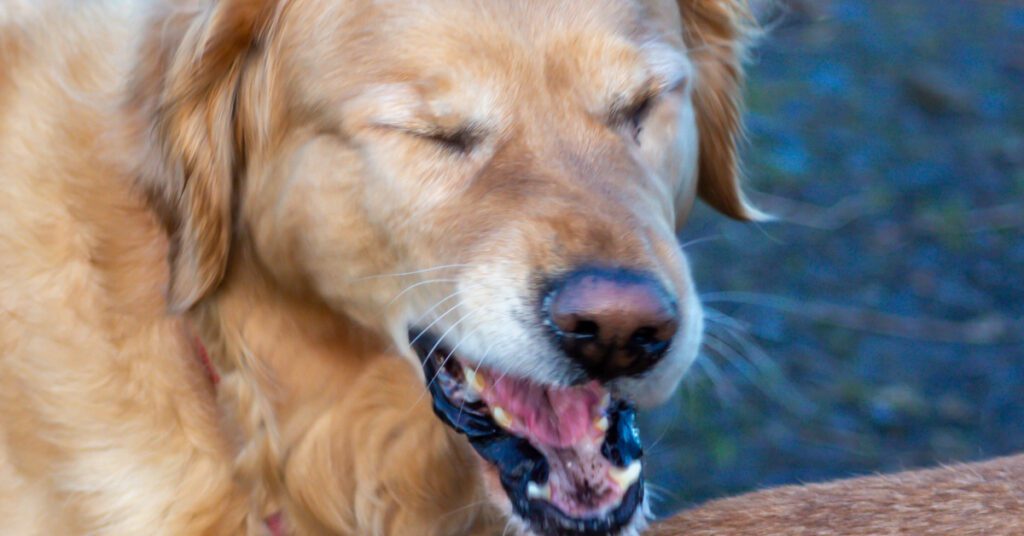
Your dog just got stung by a bee and you’re not sure what to do. First, take a breath. Most dogs stung by a bee experience minor, localized discomfort that resolves on its own. But dog bee stings can occasionally trigger a serious allergic reaction that requires emergency veterinary care. At Sahara Pines Animal Hospital in Las Vegas, NV, we want you to know exactly how to respond so you can act quickly and confidently when it counts.

What Happens When a Dog Gets Stung by a Bee?
When a dog is stung by a bee, the bee injects venom into the skin. The venom contains compounds that cause local inflammation, pain, and swelling at the sting site. In most cases, a dog stung by a bee will experience a mild reaction limited to the area of the sting. However, some dogs have an immune system that overreacts to bee venom, triggering a systemic allergic response called anaphylaxis, which can be life-threatening.
Dogs tend to get stung most often on the face, muzzle, paws, and inside the mouth because they use their noses and paws to investigate bees out of curiosity. Las Vegas’s warm climate means bees and wasps are active nearly year-round, making bee sting awareness an important topic for local pet owners.
Signs Your Dog Has Been Stung by a Bee
How do you know if your dog has been stung by a bee? Common signs include:
- Sudden yelping, whining, or pawing at a specific area of the body
- Visible swelling, redness, or a raised welt at the sting site
- Licking or biting at a spot on the paw, leg, face, or mouth
- Limping, if the sting was on a paw
- Facial swelling around the muzzle or eyes
- Drooling, if the sting occurred inside the mouth
In most cases, a dog stung by a bee will show these localized signs and recover without intervention. But your job is to monitor them carefully for the next 30 to 60 minutes for any signs that the reaction is escalating beyond the sting site.
Mild vs. Severe Bee Sting Reactions in Dogs
Understanding the difference between a mild reaction and a severe allergic reaction is critical when your dog is stung by a bee.
Signs of a Mild Bee Sting Reaction
- Localized swelling at the sting site only
- Mild redness and tenderness at the site
- Your dog is alert, eating normally, and otherwise behaving as usual
- Symptoms improve or stay stable over the next hour
Signs of a Severe Allergic Reaction (Anaphylaxis)
- Widespread swelling, especially of the face, throat, or eyes
- Difficulty breathing, wheezing, or labored respiration
- Vomiting or diarrhea within minutes of the sting
- Pale or white gums
- Extreme weakness, collapse, or loss of consciousness
- Rapid heart rate or trembling
- Disorientation or sudden behavioral changes
If your dog shows any signs of a severe reaction after being stung by a bee, this is a veterinary emergency. Call Sahara Pines Animal Hospital at (702) 876-7580 immediately or proceed to the nearest emergency veterinary clinic.
What to Do Immediately After Your Dog Is Stung by a Bee
Acting quickly and calmly makes a real difference. Here’s the step-by-step approach when your dog gets stung by a bee:
Step 1: Move Your Dog Away from the Area
If a bee or wasp stung your dog, the insect may still be nearby or there may be a nest in the area. Calmly guide your dog away from the location to prevent additional stings, which can increase the amount of venom in the body.
Step 2: Look for and Remove the Stinger
Honeybees leave their stinger behind after stinging; wasps and bumblebees do not. If you can see the stinger in your dog’s skin, remove it promptly. Scrape it out with a flat edge like a credit card or fingernail rather than squeezing it with fingers or tweezers, which can release more venom into the wound.
Step 3: Monitor for Signs of a Reaction
Watch your dog closely for 30 to 60 minutes after the bee sting. Note any changes in behavior, breathing, swelling, or overall condition. If symptoms stay localized and mild, your dog is likely experiencing a normal reaction to the bee sting venom. If any of the severe symptoms listed above develop, contact your veterinarian immediately.
Step 4: Call Your Veterinarian
Even for mild reactions, it’s always a good idea to call Sahara Pines Animal Hospital and let us know what happened. Our team can advise you on what to watch for and whether your dog needs to be seen based on their individual health history, size, and the location of the sting. Dogs stung inside the mouth or throat may need to be evaluated right away due to the risk of airway swelling.
Are Some Dogs More at Risk for a Severe Reaction?
Yes. Some dogs are more vulnerable to bee sting complications than others. Dogs that have been stung by a bee before and had a moderate reaction may be at higher risk for an escalated response with subsequent stings. Small dogs can be more significantly affected by bee venom than large dogs due to body size. Dogs with known allergies or compromised immune systems should be evaluated by a vet after any insect sting, even if the initial reaction appears mild.
If your dog has been stung by a bee previously and had a strong reaction, ask our veterinary team at Sahara Pines Animal Hospital about whether an emergency epinephrine kit is appropriate to keep on hand.
What Happens at the Vet After a Bee Sting?
When you bring a dog stung by a bee to Sahara Pines Animal Hospital, we assess the severity of the reaction and develop a treatment plan accordingly. For mild to moderate reactions, treatment may include antihistamines to reduce swelling and itching, anti-inflammatory medications to address pain and inflammation, and IV fluids if needed for hydration and support.
For severe anaphylactic reactions, treatment is more intensive and may involve epinephrine administration, IV fluid therapy, oxygen support, and close monitoring until the dog is stable. Prompt veterinary treatment dramatically improves outcomes in anaphylaxis cases, which is why speed matters when your dog is stung by a bee and showing severe symptoms.
Bee Stings vs. Wasp Stings in Dogs: Is There a Difference?
Both bee stings and wasp stings inject venom that causes inflammation and potentially allergic reactions. There are a few differences worth knowing. Honeybees leave their stinger behind (and die after stinging). Wasps, hornets, and yellow jackets can sting multiple times and do not leave a stinger. Wasp venom tends to be slightly different in composition, but can cause equally serious reactions in sensitive dogs. Treat any insect sting as a potential bee sting situation and monitor your dog closely regardless of which insect was involved.
How to Reduce Your Dog’s Risk of Bee Stings
You can’t completely eliminate the risk of your dog encountering a bee, but a few precautions reduce the likelihood of a bee sting incident:
- Supervise your dog during outdoor time, especially in gardens and areas with flowering plants
- Avoid walking your dog near known beehives, wasp nests, or flowering shrubs during peak activity hours
- Keep your dog on a leash in areas where insects are active so you can redirect their attention
- Watch for bee activity before letting your dog play or roam in grassy or garden areas
When a Bee Sting Becomes a Teaching Moment
A dog stung by a bee is a stressful experience for both pet and owner. But it’s also an opportunity to learn how your dog’s body responds to insect venom and to be better prepared for the future. Most dogs recover completely from a single bee sting with minimal intervention. Knowing what to watch for, when to call your vet, and how to respond in the moment puts you in the best possible position to protect your pet.
Our team at Sahara Pines Animal Hospital in Las Vegas, NV is always here to help when your dog needs us. Whether it’s a bee sting, a wellness visit, or an unexpected health concern, give us a call at (702) 876-7580 or book an appointment online. Your dog’s safety is our priority.
Recent Posts



About Sahara Pines Animal Hospital
For exceptional veterinary care in an environment that welcomes you as family, partner with Sahara Pines Animal Hospital and we’ll help you meet all your pet’s needs for a lifetime.