Dog Reverse Sneezing 101: What It Is, Why It Happens, and How to Stop It
If you’ve ever watched your dog make a strange honking, snorting, or gasping sound and wondered if they were choking or having a seizure, you likely witnessed dog reverse sneezing. Dog reverse sneezing is a common, usually harmless reflex that scares many pet owners, mostly because it looks and sounds alarming. In most cases, reverse sneezing in dogs is nothing to worry about. At Sahara Pines Animal Hospital in Las Vegas, NV, we’re here to explain exactly what’s happening when your dog reverse sneezes and when you should pay closer attention.
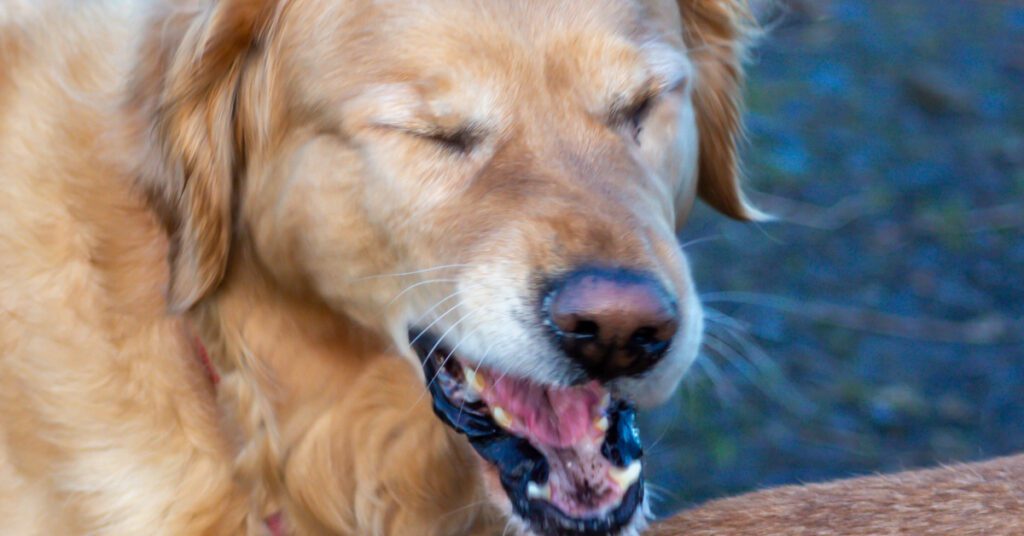
What Is Dog Reverse Sneezing?
Reverse sneezing in dogs, also called paroxysmal respiration or inspiratory paroxysmal respiration, is the rapid, forceful inhalation of air through the nose. It’s essentially the opposite of a regular sneeze, where air is expelled outward. During a reverse sneezing episode, the dog pulls air inward in a series of rapid, noisy snorts.
The reverse sneezing reflex is triggered by an irritation or spasm in the soft palate or nasopharynx, which is the area at the back of the nose and top of the throat. The dog’s body responds by extending the neck, widening the eyes, and sucking in air rapidly to try to clear the irritation.
What Does Reverse Sneezing in Dogs Look Like?
A dog reverse sneezing episode typically lasts between 15 and 30 seconds, though it can occasionally go longer. During an episode, you may observe:
- A sudden, repeated snorting or honking sound
- The dog standing still with elbows pointed outward
- An extended neck and head pulled forward or down
- Eyes that appear wide or slightly bulging
- Lips pulled back during the inhalation
- No loss of consciousness or disorientation afterward
After the episode ends, the dog typically goes right back to normal activity as if nothing happened. This quick return to normal is one of the hallmarks of reverse sneezing and helps distinguish it from more serious conditions.
Why Do Dogs Reverse Sneeze?
There are quite a few triggers that can cause a dog to reverse sneeze.
Common Triggers for Reverse Sneezing in Dogs
- Environmental irritants: Dust, pollen, smoke, air fresheners, and perfumes are frequent triggers
- Eating or drinking too fast: Rapid consumption can irritate the soft palate
- Excitement or physical activity: A burst of energy or overstimulation can bring on an episode
- Pulling on the leash: Pressure on the throat from collar or leash can trigger reverse sneezing
- Nasal mites or post-nasal drip: Inflammation or drainage in the nasal passages
- Foreign material in the nose: Grass seeds, small debris, or other particles lodged near the nasopharynx
- Seasonal allergies: Increased nasal irritation during high-pollen seasons
Which Dog Breeds Are More Prone to Reverse Sneezing?
While any dog can reverse sneeze, brachycephalic breeds, meaning dogs with flat faces and shortened airways, are significantly more prone to it. This includes breeds like French Bulldogs, Pugs, Boston Terriers, Shih Tzus, Boxers, and Bulldogs. Their compressed nasal anatomy makes them more susceptible to soft palate irritation and reverse sneezing episodes.
Small breed dogs in general, such as Chihuahuas, Miniature Schnauzers, and Beagles, also tend to experience reverse sneezing more frequently than large breeds. If you have a flat-faced or small-breed dog and notice frequent reverse sneezing, mention it to the veterinary team at Sahara Pines Animal Hospital during your next wellness visit.
Is Reverse Sneezing Dangerous for Dogs?
In most cases, dog reverse sneezing is completely harmless. The episode looks and sounds dramatic, but it’s simply the body’s way of clearing the nasal passage and soft palate. The dog’s oxygen level does not drop significantly, and the episode resolves on its own within seconds to a minute.
However, reverse sneezing in dogs can become a concern when episodes are very frequent, unusually long, or accompanied by other symptoms. In those cases, the reverse sneezing may be a symptom of an underlying condition rather than a simple reflex.
How to Stop Dog Reverse Sneezing During an Episode
Many owners instinctively want to help their dog during a reverse sneezing episode. While the episode typically resolves without intervention, you can try a few calming strategies:
Calming Strategies During an Episode
- Gently stroke or massage your dog’s throat to encourage swallowing
- Speak in a calm, reassuring voice to reduce anxiety
- Briefly cover one or both nostrils to encourage your dog to breathe through the mouth
- Lightly blow a puff of air toward your dog’s nose, which can trigger swallowing and interrupt the spasm
- Keep your dog calm and still; do not restrain them forcefully
These strategies can sometimes shorten the duration of an episode, but they are not always necessary. The most important thing is to stay calm yourself so your dog doesn’t feed off your anxiety.
When Should You Be Concerned About Dog Reverse Sneezing?
While most reverse sneezing in dogs is benign, there are signs that indicate something more serious may be going on. Contact Sahara Pines Animal Hospital if your dog is experiencing:
- Episodes that last more than a minute or happen many times daily
- Nasal discharge, nosebleeds, or visible swelling around the nose or face
- Labored breathing between episodes or persistent congestion
- Reverse sneezing that appears alongside coughing, gagging, or vomiting
- Loss of appetite, lethargy, or any other behavioral changes
- A sudden increase in episode frequency after years of none or few
These signs may point to nasal polyps, nasal tumors, severe allergies, respiratory infection, or in flat-faced breeds, brachycephalic obstructive airway syndrome (BOAS). A veterinary evaluation can rule out these conditions and give you a clear picture of your dog’s respiratory health.
How Vets Evaluate Concerning Reverse Sneezing
When reverse sneezing in dogs becomes frequent or abnormal, your veterinarian at Sahara Pines Animal Hospital will perform a thorough nose, mouth, and throat examination. Depending on what’s found, diagnostics may include blood work, nasal imaging such as X-rays, rhinoscopy to look inside the nasal passages, or testing for nasal mites. The goal is to identify any structural or infectious issues contributing to the episodes.
Recognizing the Difference Between Reverse Sneezing and Something Serious
Dog reverse sneezing is one of the most misidentified events in veterinary medicine. Pet owners frequently confuse it with choking, seizures, or a collapsed trachea. The key distinguishing factor is that reverse sneezing resolves quickly and completely, after which the dog shows no signs of distress or confusion.
Choking, on the other hand, is a true emergency involving an obstructed airway and will not resolve on its own. Seizures often involve loss of consciousness or uncontrolled body movement. If you’re ever unsure whether your dog is reverse sneezing or experiencing a medical emergency, call Sahara Pines Animal Hospital immediately.
Your Dog Has the Answers — We Help You Read Them
Dog reverse sneezing is almost always harmless, but it’s natural to want answers when your dog makes a sound that startles you. Understanding what reverse sneezing is, what triggers it, and when to seek care helps you respond with confidence instead of panic.
At Sahara Pines Animal Hospital in Las Vegas, NV, our veterinary team is happy to walk you through what you observed and help you determine whether your dog’s sneezing episodes are normal or worth investigating further. Call (702) 876-7580 or book an appointment online today.
Recent Posts
About Sahara Pines Animal Hospital
For exceptional veterinary care in an environment that welcomes you as family, partner with Sahara Pines Animal Hospital and we’ll help you meet all your pet’s needs for a lifetime.