Cat Sneezing: Is it Normal Behavior or Something Concerning?
Cat sneezing is something almost every cat owner has witnessed and wondered about. The good news? An occasional sneeze from your cat is completely normal. But when cat sneezing becomes frequent, persistent, or comes with other symptoms, it may be time to pay closer attention. At Sahara Pines Animal Hospital in Las Vegas, NV, we help pet owners understand when a sneeze is just a sneeze and when it’s worth a vet visit.
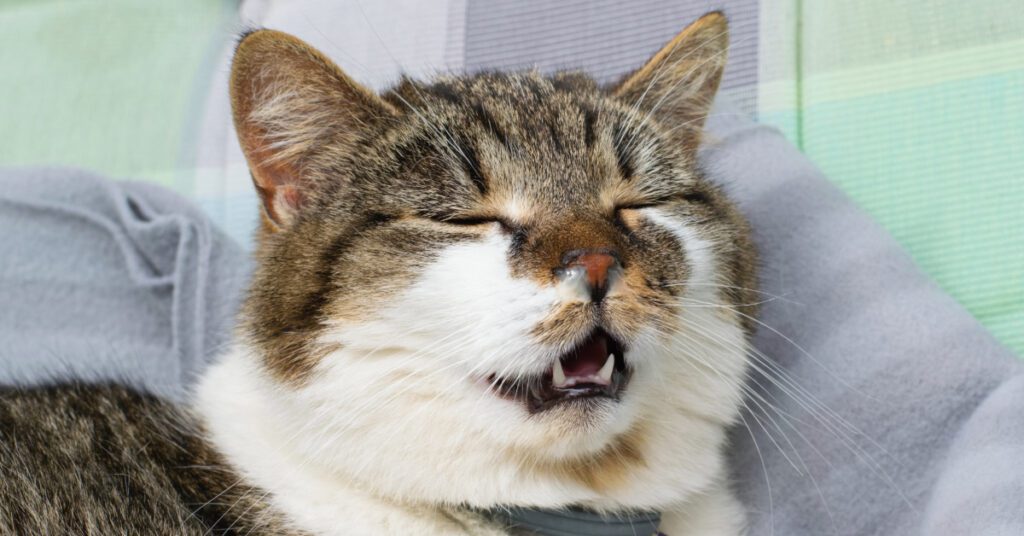
Why Do Cats Sneeze?
Just like humans, cats sneeze to clear their nasal passages of irritants. A sneeze is the body’s natural response to something tickling the delicate lining of the nose. Cat sneezing can be triggered by everything from dust and perfume to more complex health conditions.
Common Harmless Triggers
Not every sneezing episode signals a problem. Some of the most common benign causes of cat sneezing include:
- Dust, pollen, or household cleaning products
- Strong scents like candles, air fresheners, or perfumes
- Cat litter dust, especially clay-based varieties
- Excitement or a playful bout of activity
- Inhaling a small piece of food or a foreign particle
If your cat sneezes once or twice and then goes about their day without any other signs of illness, there’s usually no cause for alarm.
What Does It Mean When a Cat Sneezes a Lot?
Frequent sneezing in cats, especially when it happens in clusters or consistently throughout the day, is worth investigating. A cat sneezing repeatedly may be reacting to an environmental irritant, or it could be a sign of something going on internally.
Upper Respiratory Infections
One of the most common reasons cats sneeze frequently is an upper respiratory infection (URI). Often referred to as a “cat cold,” URIs in cats are typically caused by viral or bacterial pathogens. Feline herpesvirus and feline calicivirus are the most frequent culprits. These infections are highly contagious between cats and are especially common in kittens, shelter cats, and multi-cat households.
Along with frequent cat sneezing, you may notice:
- Runny nose or nasal discharge (clear, yellow, or green)
- Watery or discharge from the eyes
- Mild fever or lethargy
- Reduced appetite
- Coughing or wheezing
Dental Disease and Oral Infections
It might surprise you to learn that dental problems can cause a cat to sneeze. The roots of the upper teeth in cats sit very close to the nasal passages. When infection develops in those roots, it can create pressure and irritation that leads to sneezing. This is called an oronasal fistula, and it’s more common than many cat owners realize.
Nasal Polyps or Foreign Bodies
If your cat is sneezing persistently and no other symptoms are present, a foreign body lodged in the nasal passage could be the cause. Grass blades, tiny particles, and even small insects can become trapped. Nasal polyps (non-cancerous growths) can also form in the nasal passages and cause ongoing sneezing and congestion.
Allergies in Cats
Yes, cats can have allergies! Cat sneezing caused by allergies is less common than in humans, but it does happen. Environmental allergens like pollen, mold, and dust mites may trigger sneezing episodes, often alongside itching, skin irritation, or watery eyes. Allergies in cats are typically managed through avoidance of triggers and, in some cases, medical treatment guided by a veterinarian.
Is a Sneezing Cat Contagious to Humans or Other Pets?
The viruses that cause upper respiratory infections in cats such as feline herpesvirus and calicivirus are species-specific. They cannot infect humans. However, they are highly contagious between cats. If you have multiple cats and one begins sneezing frequently with other symptoms, it’s best to isolate that cat and contact your veterinarian.
Cat Sneezing with Blood: Should You Be Worried?
Seeing blood when your cat sneezes can be alarming. A single episode of blood-tinged discharge can sometimes result from a forceful sneeze that irritates a small blood vessel. However, recurring bloody discharge or sneezing with blood is a red flag that warrants prompt veterinary evaluation. Possible causes include:
- Nasal trauma or injury
- Severe nasal infection
- A foreign object in the nasal passage
- Nasal tumors (more common in older cats)
- High blood pressure or a clotting disorder
Don’t wait to see if it resolves on its own. Schedule a visit with your vet at Sahara Pines Animal Hospital as soon as you notice blood accompanying sneezing.
When Should You Take Your Sneezing Cat to the Vet?
Not every sneeze requires a vet visit, but there are clear signs that your cat’s sneezing has moved beyond normal behavior. Reach out to Sahara Pines Animal Hospital if your cat is:
- Sneezing multiple times daily for more than a few days
- Sneezing with thick, colored nasal discharge
- Showing signs of lethargy, loss of appetite, or weight loss
- Sneezing alongside coughing, labored breathing, or wheezing
- Displaying discharge from the eyes along with nasal symptoms
- Sneezing blood, even occasionally
Early intervention is key. Cats are known to mask discomfort, so by the time symptoms become obvious, an infection or underlying issue may already be progressing.
How Vets Diagnose the Cause of Cat Sneezing
When you bring your sneezing cat to Sahara Pines Animal Hospital, your veterinarian will start with a thorough physical exam, including a close look at the nasal passages, eyes, and mouth. Depending on what they find, diagnostics may include:
Diagnostic Tools Your Vet May Use
- Blood tests: To check for infection, inflammation, or systemic illness
- Nasal swabs: To identify specific viral or bacterial pathogens
- X-rays: To evaluate nasal structures, sinuses, and teeth
- Rhinoscopy: A minimally invasive procedure to look directly into the nasal passages for polyps or foreign bodies
- Biopsy: If a mass or growth is suspected
Getting an accurate diagnosis allows your vet to recommend the most effective treatment plan, rather than relying on guesswork.
Can You Prevent Cat Sneezing?
Some causes of cat sneezing are preventable. Keeping your home free of heavy dust, switching to a low-dust cat litter, and avoiding strong chemical smells can reduce environmental triggers. Vaccination is one of the most important steps you can take. Vaccines against feline herpesvirus and calicivirus are part of the core FVRCP vaccine recommended for all cats.
Regular wellness exams at Sahara Pines Animal Hospital also help catch early signs of dental disease, nasal issues, or chronic infections before they become harder to treat.
Your Cat Deserves Answers, Not Just Guesses
Cat sneezing can range from completely harmless to a sign of a significant health condition. Knowing the difference starts with paying attention to frequency, timing, and accompanying symptoms. When in doubt, our team at Sahara Pines Animal Hospital in Las Vegas, NV is here to help you get answers and keep your cat feeling their best. Give us a call at (702) 876-7580 or book an appointment online because your cat’s health is always worth the conversation.
Recent Posts



About Sahara Pines Animal Hospital
For exceptional veterinary care in an environment that welcomes you as family, partner with Sahara Pines Animal Hospital and we’ll help you meet all your pet’s needs for a lifetime.