Can dogs swim? Most dogs can paddle by instinct, but not every dog is a natural swimmer, and some breeds struggle to stay afloat at all. Body shape, coat type, age, health, and confidence all play a role in whether a dog takes to the water or prefers to stay on dry land.
Here in Las Vegas, backyard pools, community splash areas, and weekend trips to Lake Mead make water time a big part of life with a dog, especially during our long, scorching summers. Before your four-legged friend jumps in, it helps to understand what shapes a dog’s swimming ability and how to make every outing safer. At Sahara Pines Animal Hospital, pet owners ask us this question all the time, usually because they want to share a favorite summer activity with their pup. This guide explains which dogs tend to swim well, how to introduce your pet to water, what safety steps matter most, and the benefits a good swim can offer.
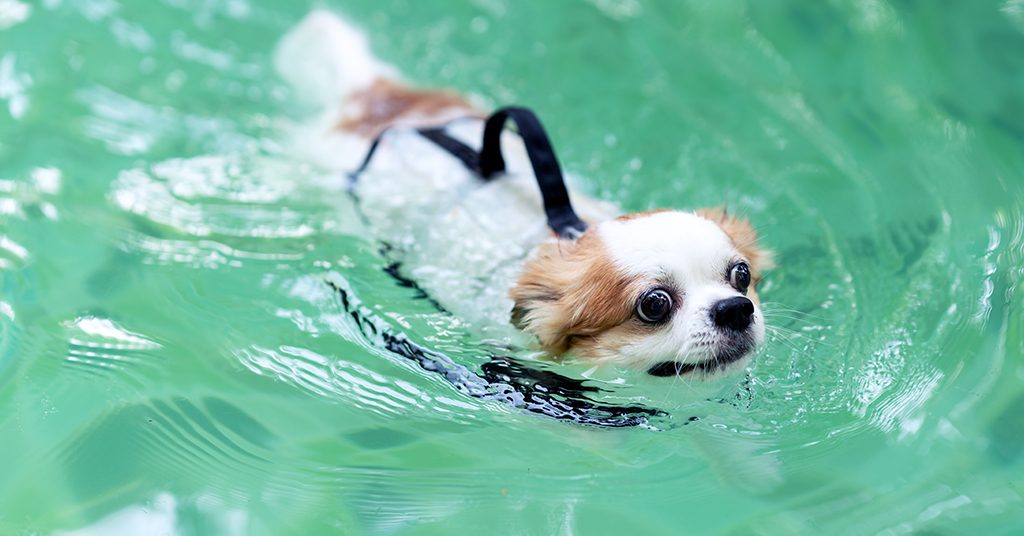
Can Dogs Swim, and Do They All Enjoy It?
The honest answer is that most dogs can swim to some degree, but skill and enthusiasm vary widely from one dog to the next. How well can dogs swim without any training? That depends largely on genetics and build. Many people assume every dog knows the “doggy paddle” from birth. In reality, paddling instinct and true swimming ability are two different things.
Breeds Built for the Water
Some dogs were bred specifically to work in lakes, rivers, and coastal waters. Labrador retrievers, golden retrievers, Portuguese water dogs, Newfoundlands, standard poodles, and Chesapeake Bay retrievers often have webbed toes, water-resistant coats, and athletic frames that make swimming feel effortless. These breeds frequently head straight for the water the moment they see it.
Dogs That May Have a Harder Time
Other dogs face real physical challenges in the water. If you have ever wondered whether dogs can swim when they have short legs or flat faces, the answer is often “not well.” Dogs that may need extra support include:
- Flat-faced (brachycephalic) breeds such as pugs, French bulldogs, and English bulldogs, which have trouble holding their noses above the surface
- Short-legged, long-bodied dogs like dachshunds, basset hounds, and corgis
- Top-heavy or very muscular breeds with dense, heavy chests
- Toy breeds that tire quickly and lose body heat fast
- Senior dogs and pets living with joint, heart, or breathing conditions
What If Your Dog Doesn’t Like the Water?
Some dogs simply dislike getting wet, and that is perfectly fine. Forcing a nervous dog into a pool can create lasting fear and put your pet at risk. Instead, respect your dog’s preferences and look for other ways to exercise and cool off, such as early morning walks, shaded play sessions, or a shallow kiddie pool for splashing. Not every dog needs to swim to live a happy, active life.
How to Introduce Your Dog to Swimming
A slow, positive introduction gives your dog the best chance of building confidence in the water. Patience matters far more than speed, and every dog learns at a different pace.
Start Shallow and Go Slow
Begin in calm, shallow water where your dog can stand comfortably. Pool steps, a gently sloping shoreline, or a shallow cove all work well. Bring along favorite toys and treats, offer plenty of praise, and let your dog explore on their own terms. Never toss a dog into deep water to “teach” them to swim. That approach can cause panic and make your pet fear water for life.
Many owners also find that a well-fitted canine life jacket helps. Even strong swimmers benefit from the added buoyancy, and the handle on top lets you guide or lift your dog quickly. Look for a bright color so you can spot your pup easily.
Where Can Your Dog Swim?
Can dogs swim safely at Lake Mead or in a backyard pool? Both can work well, and choosing the right location sets the tone for a safe experience. Good options often include:
- Backyard or private pools with wide steps or a dog ramp for easy exits
- Calm, designated pet-friendly shorelines, after checking current park rules and leash requirements
- Indoor dog swim centers or canine hydrotherapy facilities with trained staff
- Shallow, slow-moving water free of strong currents, boat traffic, or sharp debris
Cleanliness and Chlorination of the Water
Water quality deserves attention wherever your dog swims. Can dogs swim in chlorinated pools? A properly maintained pool is generally fine for short swims, but discourage your dog from drinking pool water and always offer fresh drinking water nearby. Natural lakes and ponds can carry bacteria, parasites, and harmful algal blooms. Cyanobacteria, often called blue-green algae, can be toxic to dogs, so check local advisories before visiting and steer clear of water that looks discolored, scummy, or smells unusual.
Are There Safety Measures to Take Before Your Dog Swims?
Yes, and even when the answer to “can dogs swim?” is a clear yes for your pet, a little preparation goes a long way. Thinking ahead about your dog’s health, stamina, and surroundings helps prevent most water-related accidents.
Things to Consider Before Your Pet Takes the Plunge
Start with your dog’s overall health. A wellness exam can reveal joint, heart, or respiratory concerns that might affect how safely your dog swims. If you plan to visit lakes or rivers, ask your veterinarian whether vaccines such as leptospirosis make sense for your pet’s lifestyle. Age matters too, since young puppies and older dogs often tire faster than healthy adults.
How Long Should Dogs Swim?
How long can dogs swim before they need a break? Swimming is a demanding full-body workout, so even fit dogs can wear out quickly. Start with sessions of just a few minutes and build up gradually as your dog gains strength and confidence. Watch for signs of fatigue, such as slower paddling, a sinking back end, heavy panting, or difficulty keeping the head up. When you notice any of these, end the session and give your dog time to rest in the shade.
Poolside Safety for Dogs
Pools pose unique risks, especially when no one is watching. Smart poolside habits include:
- Installing a fence or barrier so your dog can’t reach the pool unsupervised
- Teaching your dog where the steps or exit ramp are, practicing several times
- Removing or securing pool covers, which can trap a dog underneath
- Checking deck temperatures, since Las Vegas concrete and pavers can burn paw pads
- Staying within arm’s reach of inexperienced swimmers at all times
What Are the Benefits of Swimming for Dogs?
For dogs that can swim comfortably and enjoy the water, swimming offers a long list of physical and mental perks. It also happens to be one of the best ways to stay active during the hottest months in the desert.
A Low-Impact, Full-Body Workout
Because water supports your dog’s body weight, swimming places far less stress on joints than running or jumping. That makes it a popular choice for overweight dogs, active seniors, and pets with mobility concerns. Swimming builds muscle, strengthens the heart and lungs, burns energy, and helps with weight management. Veterinary teams sometimes recommend structured hydrotherapy as part of rehabilitation after surgery or injury, always under professional guidance. Swimming also provides mental stimulation and a fun way to bond with your dog, especially when retrieving toys is part of the game.
Grooming After a Swim Session
Post-swim care helps protect your dog’s skin and coat. Rinse your dog with clean, fresh water to wash away chlorine, minerals, sand, and algae. Towel or blow-dry thoroughly, paying close attention to the ears, since trapped moisture can create an environment where ear problems develop. Brush out double-coated breeds to prevent matting, and check paws for cuts or burns from hot surfaces. If you notice head shaking, ear scratching, redness, or skin irritation after swimming, schedule an exam so your veterinarian can take a closer look.
Plan Your Dog’s Next Swim With Sahara Pines Animal Hospital
So, can dogs swim? Many can, some can’t, and plenty fall somewhere in between. Understanding your dog’s breed, build, and comfort level helps you decide whether water play belongs in your routine and how to make it enjoyable. With a gradual introduction, a life jacket, careful supervision, and attention to water quality, swimming can become a favorite way for your pup to beat the Las Vegas heat.
If you’re unsure whether your dog is healthy enough to swim, or you have questions about vaccines, joint health, or post-swim ear and skin concerns, the team at Sahara Pines Animal Hospital is here to help. We can evaluate your dog’s overall wellness and offer guidance tailored to your pet’s needs. Call us at to schedule an appointment before your next trip to the pool or lake.
Recent Posts



About Sahara Pines Animal Hospital
For exceptional veterinary care in an environment that welcomes you as family, partner with Sahara Pines Animal Hospital and we’ll help you meet all your pet’s needs for a lifetime.