When to neuter a dog depends mainly on breed size, expected adult weight, health, and lifestyle. Many small and medium dogs are neutered around six months of age, while veterinarians often recommend waiting until 9 to 18 months for large and giant breeds so their bones and joints can finish developing.
For years, six months was treated as the standard age for nearly every dog. Today, research on growth, joint health, and certain cancers has led many veterinarians to take a more individualized approach. That shift can leave new owners unsure of the right timing for their own puppy. At Sahara Pines Animal Hospital, we help Las Vegas families sort through these questions every week. This guide explains what neutering involves, how age and breed influence timing, the benefits and considerations to weigh, and what your role looks like before and after surgery. Along the way, you’ll find questions to bring to your veterinarian so you can make a confident, informed decision for your dog.
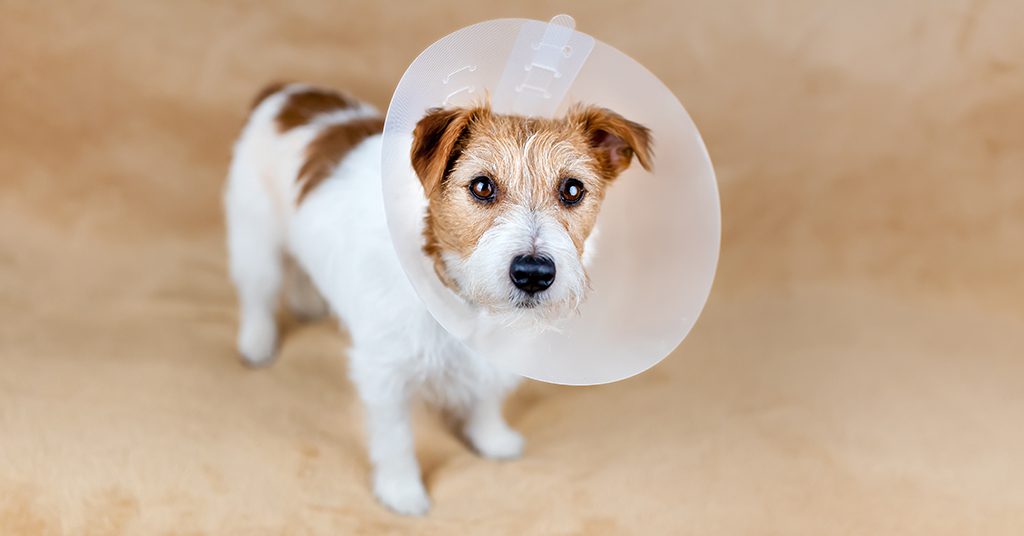
Understanding the Basics of Neutering
Neutering is a common surgical procedure, and knowing what it involves makes the timing conversation much easier.
What the Procedure Involves
Neutering, also called castration, is the surgical removal of a male dog’s testicles. The procedure is performed under general anesthesia, and most dogs go home the same day. The term “neuter” is sometimes used for both sexes, while “spay” specifically refers to removing a female dog’s ovaries and usually the uterus. This article focuses on male dogs, though many of the timing principles overlap.
How Hormones Affect Development
Testosterone does more than influence behavior. It also plays a role in bone growth, muscle development, and the closure of growth plates, the areas of cartilage near the ends of long bones where growth happens. Removing the testicles before those growth plates close can cause bones to grow slightly longer, which may affect joint alignment in some dogs. This connection sits at the heart of the modern discussion about when to neuter a dog.
Common Misconceptions
A few long-standing myths can cloud the decision. Neutering won’t change your dog’s core personality, intelligence, or ability to be a loyal companion or working partner. Male dogs also don’t need to breed once before the procedure to be emotionally fulfilled. Separating facts from folklore makes it easier to focus on what truly matters for your pet’s health.
What Is the Best Age to Neuter a Dog?
There’s no single answer for every pet. When owners ask us when to neuter a dog, the honest reply is that your veterinarian will consider several factors to recommend the ideal window for your individual pup.
Breed Size and Growth Rate
Smaller breeds generally reach maturity faster than larger dogs, so they are often neutered around six months. Large and giant breeds such as Labrador retrievers, German shepherds, and Great Danes keep growing well past their first birthday. For these dogs, many veterinarians suggest waiting until growth plates are closer to closing, often between 9 and 18 months. Some breed-specific studies have linked early neutering in certain large breeds with a higher risk of joint disorders like hip dysplasia and cranial cruciate ligament tears, as well as some cancers.
Other Factors That Shape Timing
Beyond size, your veterinarian may weigh:
- Your dog’s breed and any breed-specific health risks
- Current health, including heart murmurs or other conditions that affect anesthesia
- Whether one or both testicles have descended, since retained testicles carry added risks
- Emerging behaviors such as marking, mounting, or roaming
- Your household, including other intact dogs or the ability to supervise your pet closely
- Local licensing rules, which you can confirm with Las Vegas or Clark County animal services
Early-Age Neutering
Shelters and rescues often neuter puppies as young as eight weeks to prevent unplanned litters before adoption. This approach helps control pet overpopulation, and young puppies tend to recover quickly. If you adopted a dog that was already neutered, your veterinarian can still tailor future care around that history.
Is It Ever Too Late?
Adult and even senior dogs can be neutered safely when they’re in good health. Older dogs may need more thorough pre-surgical screening, and some learned behaviors like marking may not fade as completely as they would after an earlier procedure. Still, health benefits such as removing the risk of testicular cancer apply at any age. If you’re deciding when to neuter a dog that’s already full grown, an exam and a conversation with your veterinarian will clarify whether the timing makes sense now.
What Are the Benefits and Considerations of Neutering?
Like any medical decision, neutering involves potential advantages and trade-offs that are worth understanding before you choose a date. Knowing both sides gives you a clearer picture of when to neuter a dog in your specific situation and why your veterinarian may favor one window over another.
Potential Benefits
Neutering can offer meaningful health and behavioral advantages, including:
- Eliminating the risk of testicular cancer
- Lowering the likelihood of certain prostate problems
- Reducing roaming, which can lower the risk of car accidents and fights
- Decreasing urine marking and mounting in many dogs, especially when done before the habits become established
- Preventing unplanned litters and helping reduce shelter populations
Factors to Discuss
Neutered dogs may have a lower metabolism, which can lead to weight gain if calorie needs aren’t reassessed. As mentioned above, timing may influence joint health and some cancer risks in particular breeds. Regular weigh-ins during wellness visits make it easier to spot changes early. Neutering also won’t automatically resolve every behavior concern, since training and socialization remain important. Talking through these points with your veterinarian helps you weigh them against your dog’s individual needs and your family’s circumstances.
Your Role as an Owner Before and After Surgery
Your involvement plays a big part in a smooth procedure and a comfortable recovery, from the first consultation through the final recheck.
Preparing for the Procedure
Your veterinary team will likely recommend a pre-anesthetic exam and bloodwork to confirm your dog is healthy enough for surgery. They’ll also give you specific instructions about food and water the night before. Following those directions closely, arriving on time, and sharing any recent changes in your dog’s health all help the day go smoothly. In Las Vegas, many owners also prefer scheduling surgery outside the hottest summer weeks, since a recovering dog needs a cool, quiet indoor space and limited outdoor activity for a while. Planning a calm area at home ahead of time, away from other pets and busy household traffic, gives your dog a comfortable place to rest once you return.
Supporting Your Dog’s Recovery
After surgery, your dog will go home with discharge instructions tailored to its needs. These typically cover activity restrictions, incision care, a protective cone or recovery suit, and when to return for a recheck. Following those instructions carefully helps prevent complications. Contact your veterinarian if you notice swelling, redness, discharge, an open incision, ongoing lethargy, vomiting, or a lack of appetite.
Questions to Ask Your Veterinarian
Bringing a short list to your appointment makes the conversation more productive:
- What age do you recommend for my dog’s breed and expected adult size?
- Are there breed-specific risks I should know about?
- What does pre-surgical testing include?
- How should my dog’s diet change after the procedure?
Plan the Right Timing With Sahara Pines Animal Hospital
Deciding when to neuter a dog isn’t a one-size-fits-all choice. Breed, growth rate, health history, behavior, and your household all shape the best window for your pet. Rather than relying on a general rule, working with a veterinarian who knows your dog gives you a recommendation built around your pup’s long-term health and comfort.
If you have a new puppy or a young dog approaching adolescence, the veterinary team at Sahara Pines Animal Hospital can evaluate your pet’s development and walk you through the benefits, risks, and ideal timing. We’re happy to answer your questions and help you plan each step. Call us at to schedule a consultation.
Recent Posts


About Sahara Pines Animal Hospital
For exceptional veterinary care in an environment that welcomes you as family, partner with Sahara Pines Animal Hospital and we’ll help you meet all your pet’s needs for a lifetime.