The most effective way to get rid of bad breath in cats is to find and address the underlying cause with your veterinarian. Dental disease is the most common culprit, so a professional exam and cleaning, followed by consistent at-home dental care, usually makes the biggest difference.
Many owners assume a little “fishy” breath is normal for cats, but a truly foul odor is often a sign that something is wrong in the mouth or elsewhere in the body. Most cats show signs of dental disease by age three, and because felines are experts at hiding discomfort, bad breath may be one of the only clues you get. At Sahara Pines Animal Hospital, we regularly help Las Vegas cat owners trace unpleasant breath back to its source. If you’ve been searching for how to get rid of bad breath in cats, this guide explains what causes the odor, which symptoms deserve attention, how veterinarians diagnose and treat the problem, and what you can do to support fresher breath for the long term.
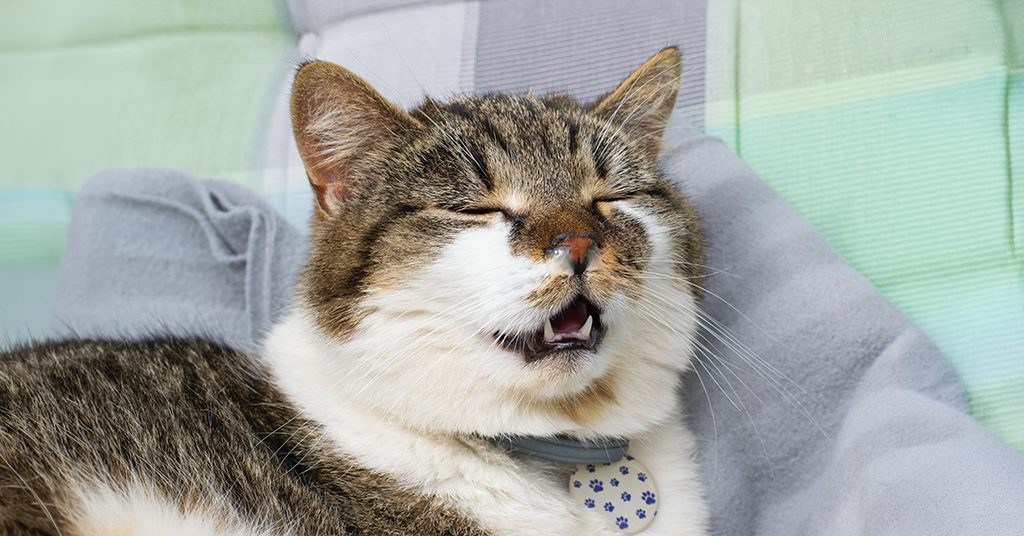
What Is Bad Breath in Cats, and What Symptoms Should You Watch For?
Bad breath, known medically as halitosis, is a persistent unpleasant odor coming from a cat’s mouth. A cat’s breath may carry a faint scent of its food, but it shouldn’t be strong enough to notice from across the room.
Normal Breath vs. Halitosis
Healthy cat breath is fairly neutral. A sour, rotten, metallic, sweet, or ammonia-like smell suggests bacteria, infection, or an underlying health condition. The odor itself can offer early hints, which is why it’s worth describing the smell to your veterinarian as specifically as you can.
Symptoms That Often Accompany Bad Breath
Halitosis rarely shows up alone. Keep an eye out for related changes such as:
- Red, swollen, or bleeding gums
- Yellow or brown tartar buildup along the gumline
- Drooling, sometimes tinged with blood
- Pawing at the mouth or rubbing the face on furniture
- Chewing on one side, dropping food, or reluctance to eat dry kibble
- Weight loss, increased thirst, or changes in grooming habits
Because cats instinctively mask pain, a cat may continue eating even with significant dental discomfort. Subtle shifts in eating style often matter more than a complete loss of appetite.
Cats at Higher Risk
Any cat can develop halitosis, but some face greater odds. Flat-faced breeds like Persians and Himalayans often have crowded teeth that trap food and bacteria. Senior cats are more prone to both dental disease and organ problems, and cats with weakened immune systems may struggle to fight oral infections. If your cat falls into one of these groups, more frequent mouth checks are a smart habit.
What Causes Bad Breath in Cats?
The source of the odor usually falls into one of two categories: problems inside the mouth or conditions affecting the rest of the body.
Oral and Dental Causes
Periodontal disease is the leading cause of bad breath in cats. Plaque forms on the teeth within hours of eating, hardens into tartar, and harbors bacteria that inflame and infect the gums. Over time, this process damages the tissues and bone that hold teeth in place.
Tooth resorption is another common feline problem. In this painful condition, the body breaks down tooth structure, often starting below the gumline where owners can’t see it. Feline stomatitis, a severe inflammation of the mouth, can also cause intense odor and discomfort. Less often, oral tumors, foreign objects lodged between teeth, or injuries from chewing on hard items create a foul smell.
Health Conditions Beyond the Mouth
Sometimes bad breath signals a problem with internal organs. Possible systemic causes include:
- Kidney disease, which can create breath that smells like ammonia or urine
- Diabetes, sometimes linked to a sweet or fruity odor
- Liver disease, which may cause a musty smell along with yellowing of the gums or eyes
- Gastrointestinal issues or respiratory infections affecting the nose and sinuses
Kidney disease and diabetes are especially common in middle-aged and senior cats, so a change in breath odor in an older cat deserves prompt attention.
How Do Veterinarians Diagnose and Treat Bad Breath in Cats?
Identifying the cause is the first step toward fresher breath, and your veterinary team will tailor the plan to what they find.
The Diagnostic Process
Your veterinarian will start with a thorough history and physical exam, including a look at your cat’s teeth, gums, tongue, and throat. Many cats won’t allow a complete oral exam while awake, so a full assessment often happens under anesthesia. Dental X-rays are especially valuable because a large portion of each tooth sits below the gumline, where problems like tooth resorption and root infections hide. When systemic disease is suspected, bloodwork and urinalysis help evaluate kidney, liver, and blood sugar function.
Treatment Options
Treatment depends on the underlying cause. For dental disease, a professional cleaning under anesthesia removes plaque and tartar above and below the gumline. Damaged or painful teeth may need to be extracted, and cats generally adapt very well afterward, even when several teeth are removed. If bad breath stems from kidney disease, diabetes, or another medical condition, your veterinarian will discuss a management plan focused on that diagnosis. Understanding how to get rid of bad breath in cats really comes down to treating the source, because simply masking the odor leaves the real problem in place.
Recovery and Long-Term Management
Most cats go home the same day as a dental procedure and recover quickly. Your veterinarian will provide discharge instructions that may include a temporary diet change and a recheck appointment. Following those instructions carefully supports healing. For cats with ongoing conditions like stomatitis or kidney disease, regular monitoring visits help your care team adjust the plan as your cat’s needs change.
How Can You Prevent Bad Breath in Cats?
Once your cat’s mouth is healthy, daily habits and routine checkups help maintain those results. Prevention is the most practical long-term answer to how to get rid of bad breath in cats.
Build a Home Dental Care Routine
Ask your veterinarian which of these strategies fit your cat best:
- Brushing your cat’s teeth with a cat-specific toothpaste, since human toothpaste can be harmful to pets
- Introducing brushing slowly with treats and short sessions so your cat learns to accept it
- Using dental diets, treats, or water additives that carry the Veterinary Oral Health Council (VOHC) seal
- Offering dental chews or toys designed for cats, if your veterinarian approves
Schedule Regular Wellness Exams
Annual exams, or twice-yearly visits for senior cats, allow your veterinarian to spot early tartar buildup, gum inflammation, and changes in organ function before they become serious. Many cats benefit from professional cleanings every year or two, depending on how quickly tartar accumulates.
Skip the Quick Fixes
Breath sprays, mints, and homemade remedies found online may cover up odor for a short time, but they don’t address plaque, infection, or illness. Some products made for people contain ingredients such as xylitol or essential oils that may be unsafe for cats. Hard chews like bones or antlers can also fracture teeth. If you’re unsure whether a product is safe, check with your veterinarian before offering it. When pet owners ask us how to get rid of bad breath in cats quickly, the most reliable path is still a professional exam followed by a care plan built for that cat.
Fresher Breath Starts at Sahara Pines Animal Hospital
Bad breath is more than an unpleasant nuisance. It’s often your cat’s way of signaling dental pain or an underlying health issue that needs attention. The good news is that most causes can be identified and managed, and many cats feel noticeably better once their mouths are healthy again. Paying attention to your cat’s breath, eating habits, and behavior gives you a valuable head start.
If you’ve noticed a change in your cat’s breath or want to start a dental care routine, the team at Sahara Pines Animal Hospital is here to help. We can examine your cat’s mouth, discuss diagnostic options, and recommend a plan for fresher breath and better oral health. Call us at to schedule an appointment.
Recent Posts



About Sahara Pines Animal Hospital
For exceptional veterinary care in an environment that welcomes you as family, partner with Sahara Pines Animal Hospital and we’ll help you meet all your pet’s needs for a lifetime.