Dog sneezing usually happens because something has irritated the lining of your pet’s nose, such as dust, pollen, a strong scent, or even pure excitement during play. Most occasional sneezes are harmless, but frequent or persistent sneezing can point to allergies, infections, dental problems, or something stuck inside the nasal passages.
Living in Las Vegas adds a few unique twists. Desert winds kick up fine dust, spring brings heavy pollen from mulberry and olive trees, and wildfire smoke from neighboring states sometimes drifts into the valley. All of these can leave a sensitive pup sneezing more than usual. At Sahara Pines Animal Hospital, we often meet pet owners who aren’t sure whether a sneezy dog needs attention or just a little time. This guide walks through seven common reasons dogs sneeze, the warning signs worth noticing, how veterinarians pinpoint the cause, and what you can do to reduce your dog’s exposure to everyday triggers.
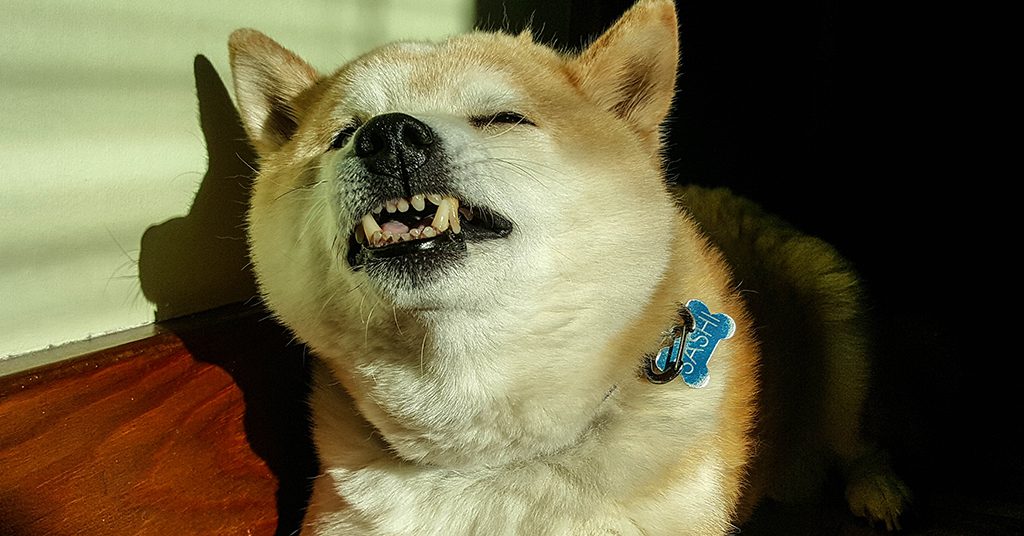
What Causes Dog Sneezing?
Sneezing is your dog’s natural way of clearing the nose, and the triggers range from completely normal to medically significant. Understanding the most likely sources of dog sneezing helps you decide whether to watch and wait or call your veterinarian. Here are seven of the most frequent culprits.
1. Play and Excitement
Many dogs sneeze during tug-of-war, wrestling, or when you grab the leash for a walk. This “play sneeze” acts as a friendly signal to other dogs (and to you) that everything is in good fun. It’s short, happens in bursts, and stops once your dog calms down.
2. Environmental Irritants
A dog’s nose is far more sensitive than ours. Household dust, perfume, air fresheners, cigarette smoke, scented candles, and cleaning sprays can all set off a sneeze. Here in the desert, blowing dust and smoky air are frequent offenders. If your dog sneezes every time you mop the floor or light a candle, that product may be the trigger.
3. Seasonal and Environmental Allergies
Pollen, mold spores, and dust mites can cause allergic dog sneezing, often alongside itchy skin, watery eyes, or paw licking. Southern Nevada’s long pollen season means some dogs struggle for months at a time. Allergy-related dog sneezing often follows a seasonal pattern, flaring in spring and fall and easing during calmer stretches of the year.
4. Foreign Objects in the Nose
Grass awns, foxtails, seeds, and small bits of debris can lodge inside a curious dog’s nostril. These often cause sudden, violent sneezing, pawing at the face, and sometimes a nosebleed on one side.
5. Nasal Infections
Viral, bacterial, and fungal infections can inflame the nasal passages. Infection-related sneezing often comes with thick or colored discharge, lethargy, or a reduced appetite. Dogs that visit boarding facilities, groomers, or busy dog parks face more exposure to contagious respiratory illnesses, which spread easily when many pets share the same space.
6. Dental Disease
The roots of a dog’s upper teeth sit very close to the nasal cavity. When a tooth root becomes infected, it can affect the sinuses and trigger ongoing sneezing or nasal discharge.
7. Nasal Growths
Polyps and tumors inside the nose are less common, but they do occur, particularly in older dogs and long-nosed breeds. Persistent one-sided discharge or bleeding deserves prompt attention.
When Does Dog Sneezing Become a Concern?
An occasional sneeze is no cause for alarm, but changes in frequency, intensity, or accompanying symptoms can tell you that something more is going on.
Normal Sneezing vs. Reverse Sneezing
Reverse sneezing often frightens owners the first time they see it. Instead of pushing air out, your dog rapidly pulls air in through the nose, producing a loud snorting or honking sound. Episodes typically last a few seconds to a minute and are common in small breeds and flat-faced dogs. While usually harmless, frequent episodes or ones that seem to be getting worse are worth mentioning to your veterinarian, since a video of an episode can be helpful during the visit.
How Breed and Age Affect Sneezing
Your dog’s anatomy also shapes what counts as normal. Flat-faced breeds like pugs, bulldogs, and Shih Tzus have narrow nasal passages, so they often snort, snore, and sneeze more than other dogs. Long-nosed breeds such as collies and greyhounds have more surface area inside the nose, which can make them more prone to fungal infections and nasal growths. Senior dogs who suddenly develop dog sneezing that wasn’t there before should be evaluated, since new symptoms in older pets deserve a closer look.
Signs That Warrant a Veterinary Visit
Schedule an appointment if your dog’s sneezing comes with any of the following:
- Bleeding from one or both nostrils
- Thick yellow, green, or foul-smelling nasal discharge
- Sneezing that lasts longer than a day or two, or keeps coming back
- Pawing at the nose, head shaking, or facial swelling
- Coughing, labored breathing, or noisy breathing at rest
- Low energy, fever, or loss of appetite
- Bad breath, drooling, or difficulty chewing
Sudden, nonstop sneezing after time outdoors may signal a foreign object, so avoid trying to remove anything from your dog’s nose at home. Reaching into the nasal passage can push debris deeper or cause injury. If your dog is struggling to breathe, seek emergency care right away.
How Do Veterinarians Diagnose the Cause of Dog Sneezing?
Finding the root cause starts with a detailed conversation and a careful physical exam. Your veterinarian will ask when the sneezing began, how often it happens, whether discharge appears on one or both sides, and whether anything in your home or routine has changed recently.
Common Diagnostic Steps
Depending on what the initial exam reveals, your dog’s care team may recommend one or more of these tests:
- A thorough oral exam to check for dental disease or tooth root problems
- Bloodwork to assess overall health and look for signs of infection
- Nasal swabs or discharge samples to identify bacteria or fungi
- X-rays or advanced imaging such as a CT scan to view the nasal cavity and sinuses
- Rhinoscopy, where a small camera examines the inside of the nose and can sometimes retrieve foreign material
- Allergy testing when environmental triggers seem likely
Why an Accurate Diagnosis Matters
Because dog sneezing is a symptom shared by so many conditions, guessing at the cause can lead to frustration and wasted time. Allergic sneezing calls for a very different plan than a lodged grass awn or an infected tooth. A precise diagnosis allows your veterinarian to recommend the most appropriate care for your dog’s specific situation and helps prevent a minor issue from becoming a chronic one.
Can You Prevent Dog Sneezing?
You can’t stop every sneeze, and you wouldn’t want to, since sneezing helps protect your dog’s airway. You can, however, lower your pet’s exposure to the most common triggers and catch problems earlier, which often means less dog sneezing overall.
Reduce Irritants at Home
Small changes inside your home can make a noticeable difference for a sneezy pup:
- Choose unscented or pet-safe cleaning products and skip aerosol sprays near your dog
- Avoid smoking indoors and limit heavily scented candles or diffusers
- Change HVAC filters regularly and consider a HEPA air purifier during windy or smoky days
- Wash your dog’s bedding often to cut down on dust and pollen buildup
- Wipe your dog’s face and paws after walks during high-pollen seasons
Stay Ahead With Routine Care
Regular wellness exams and professional dental cleanings help identify dental disease before it spreads toward the nasal passages. After hikes or play sessions in grassy or weedy areas, look over your dog’s face, ears, and paws for burrs or awns. Keeping up with recommended vaccines also helps guard against certain respiratory infections that can cause sneezing in dogs.
Get Answers About Your Dog’s Sneezing at Sahara Pines Animal Hospital
A sneeze here and there is simply part of life with a dog. When dog sneezing becomes frequent, comes with discharge or bleeding, or shows up alongside other changes in behavior, it’s time for a closer look. Paying attention to patterns, noting when episodes happen, and recording a quick video can give your veterinarian valuable clues.
The team at Sahara Pines Animal Hospital is here to help Las Vegas pet owners figure out what’s behind their dog’s sneezing and build a plan that fits their pet’s needs. Whether you suspect allergies, dental trouble, or something stuck in your pup’s nose, we’re happy to help. Call us at to schedule a visit.
Recent Posts
About Sahara Pines Animal Hospital
For exceptional veterinary care in an environment that welcomes you as family, partner with Sahara Pines Animal Hospital and we’ll help you meet all your pet’s needs for a lifetime.