If you’ve ever asked, “Why is my dog eating grass?”, you’re not alone, and in most cases the behavior is normal. Dogs eat grass for a mix of reasons, including instinct, curiosity, boredom, a craving for fiber, or occasionally an upset stomach, and most grass-grazing pups are perfectly healthy.
Still, the habit can feel puzzling, especially when your dog wolfs down a mouthful and then throws it back up on the carpet. In Las Vegas, where many yards feature desert landscaping, artificial turf, and the occasional patch of treated lawn, the question also comes with a few local safety concerns. At Sahara Pines Animal Hospital, we hear from plenty of owners who want to know whether grass munching is harmless or a sign of something more. This article explores the instinctive, physical, and emotional reasons behind grass eating, explains when the behavior deserves a closer look, and shares practical ways to redirect a dog that can’t stay out of the yard.
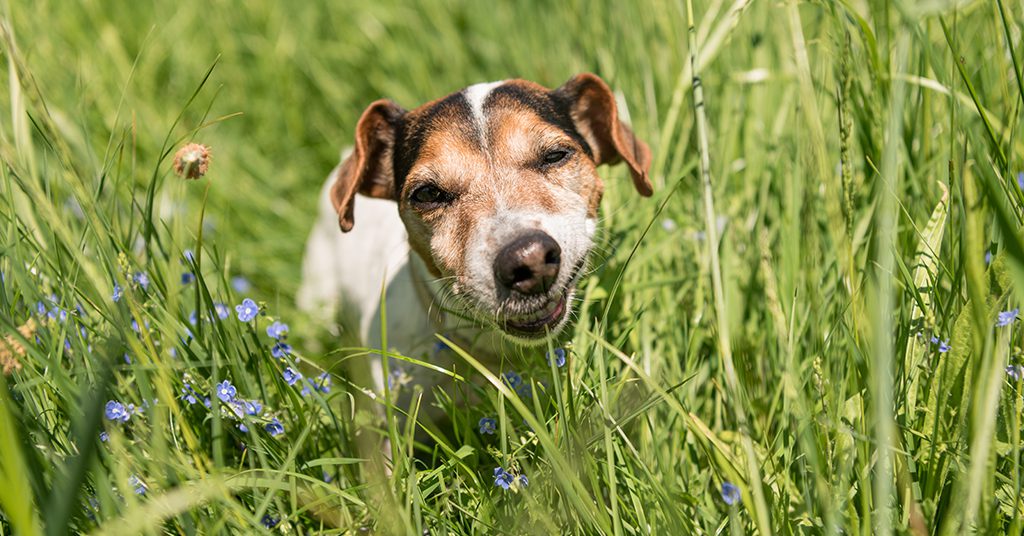
Is Eating Grass Instinctive for Dogs?
Grass eating appears to be a deeply rooted behavior that dogs share with their wild relatives. Researchers have observed wolves and other wild canids eating plant material, and studies of domestic dogs suggest grass grazing is one of the most common forms of plant eating in healthy pets.
A Link to Wild Ancestors
Wild canids often consume the stomach contents of plant-eating prey, which exposes them to vegetation regularly. Some experts believe modern dogs inherited a natural interest in greens, and that an occasional nibble is simply part of being a dog. Others suggest that eating plants may have once helped wild canids move intestinal parasites through the digestive tract.
Puppies and Exploration
Young dogs explore the world with their mouths. A puppy that chews on grass, leaves, or sticks is often just learning about textures and tastes. Many dogs outgrow intense grazing as they mature, though some continue to enjoy a few blades on every walk. If you’ve suddenly started asking “why is my dog eating grass?” about a pet that ignored the lawn for years, that change in habits is worth noting.
Why Some Dogs Graze More Than Others
Every dog has its own personality around grass. Some only nibble in spring, when new growth is tender and sweet, while others graze year-round. Active, high-energy breeds and dogs with strong foraging instincts may sniff out and sample plants more often than laid-back companions. Diet, daily routine, and how much time a dog spends outdoors can all influence how frequently it heads for the greenery.
Is Eating Grass a Physical Need?
For some dogs, grass may serve a physical purpose, although science hasn’t confirmed a single explanation. Possible physical reasons include:
- Seeking extra roughage, since grass adds fiber that may help food move through the digestive system
- Responding to mild stomach discomfort, gas, or nausea
- Enjoying the taste and texture of fresh, tender spring grass
- Satisfying hunger between meals, especially in dogs fed once a day
Does Eating Grass Mean My Dog Is Sick?
Not usually. A popular belief holds that dogs eat grass to make themselves vomit, but research suggests most dogs show no signs of illness before grazing, and only a minority throw up afterward. That said, occasional cases are linked to digestive trouble, so context matters.
When to Talk With Your Veterinarian
Grass eating becomes more concerning when it’s frantic, frequent, or paired with other changes. Repeated vomiting, diarrhea, weight loss, a reduced appetite, lethargy, or eating large amounts of grass in a short period can all signal an underlying problem. If you notice any of these, schedule an exam rather than adjusting your dog’s diet on your own. Your veterinarian can evaluate gastrointestinal health and discuss whether your dog’s current food meets their needs.
Is Eating Grass a Psychological Need?
Sometimes the answer to “why is my dog eating grass” has more to do with emotions than digestion. Dogs that lack stimulation or feel stressed often look for something to do with their mouths.
Common Emotional Triggers
Behavioral reasons for grazing frequently include:
- Boredom from long stretches alone in the backyard
- Anxiety related to separation, loud noises, or changes at home
- Attention seeking, especially if grass eating gets a quick reaction from you
- Habit, since repeated behaviors can become comforting routines
Understanding Compulsive Grazing
In some dogs, eating non-food items becomes a persistent pattern known as pica. Dogs with pica may chew rocks, mulch, or fabric as well as grass. Because these items can cause serious digestive problems, compulsive chewing or swallowing of non-food objects should always be evaluated by a veterinarian. Medical conditions, nutritional factors, and behavioral issues can all contribute, and identifying the cause helps your care team recommend the right next steps.
Signs Stress May Be Involved
If you suspect anxiety is behind your dog’s grazing, look at the bigger picture. Dogs under stress may also pace, pant when it isn’t hot, lick their paws excessively, bark more than usual, or become destructive when left alone. Noting when the grass eating happens, such as right after you leave, during thunderstorms, or when new people visit, can reveal useful patterns. Sharing those observations with your veterinarian makes it easier to identify triggers and decide whether behavioral support could help your pet feel more at ease.
How Do I Stop My Dog From Eating Grass?
You don’t always need to stop occasional grazing, but you can reduce the habit and make your yard safer at the same time. When the answer to “why is my dog eating grass?” turns out to be boredom or routine, a few consistent changes at home often make a noticeable difference within a few weeks.
Redirect the Behavior
Most dogs respond well to more structure and enrichment. Try these approaches:
- Walk your dog on a leash and gently guide them away from grassy areas
- Teach a reliable “leave it” cue and reward with treats or praise
- Offer puzzle feeders, chew toys, or lick mats to occupy busy mouths
- Increase daily exercise and play, especially during cooler morning and evening hours
- Spend time with your dog in the yard rather than leaving them out alone
Make Your Yard a Safer Place to Graze
Even harmless grass eating can become dangerous if the grass has been treated. Fertilizers, herbicides, and pesticides may irritate or harm dogs, so avoid letting your pet nibble on lawns at parks or neighbors’ homes when you can’t confirm what’s been applied. In the Las Vegas area, also watch for toxic landscape plants such as oleander and sago palm, both common in local yards and highly poisonous to pets. Foxtails and other grass awns can lodge in the mouth, nose, or throat, so look your dog over after time in weedy areas.
Desert Landscaping and Artificial Turf
Many Las Vegas homes swap traditional lawns for rock gardens and synthetic grass, which changes the risks. Some dogs that can’t find real grass start chewing artificial turf fibers or swallowing small decorative stones, and both can cause digestive blockages. If your dog shows interest in either, supervise yard time closely and consider adding a small patch of dog-safe grass or a designated digging and play area instead.
If your dog has eaten a plant you can’t identify or may have chewed on treated grass, contact your veterinarian right away for guidance.
Get Personalized Answers From Sahara Pines Animal Hospital
Asking “why is my dog eating grass?” is a smart first step toward understanding your pet’s habits. For most dogs, a little grazing is a normal, instinct-driven behavior. Paying attention to how often it happens, what else is going on with your dog’s health, and what’s growing in your yard helps you tell the difference between a harmless quirk and a reason for concern.
If your dog’s grass eating has suddenly increased, comes with vomiting or other symptoms, or you’d simply like guidance on nutrition and enrichment, the team at Sahara Pines Animal Hospital is happy to help. Call us at to schedule an appointment.
Recent Posts

About Sahara Pines Animal Hospital
For exceptional veterinary care in an environment that welcomes you as family, partner with Sahara Pines Animal Hospital and we’ll help you meet all your pet’s needs for a lifetime.