Cat heatstroke is a life-threatening emergency that happens when a cat’s body temperature climbs too high for its natural cooling methods to handle. Because cats tend to hide discomfort, early warning signs like restlessness, open-mouth breathing, and heavy grooming are easy to miss until the condition becomes critical.
In Las Vegas, summer highs regularly push past 110°F, and even indoor cats can face dangerous heat when an air conditioner fails, a power outage strikes, or a curious cat slips into a hot garage. Many people assume cats handle heat well because they love sunny windowsills, but felines have limited ways to shed excess heat. At Sahara Pines Animal Hospital, we want every cat owner to know what heat-related illness looks like and when to act. This article covers the difference between heat exhaustion and heatstroke, the subtle symptoms cats display, how veterinarians diagnose and care for affected cats, and practical steps to lower your cat’s risk.
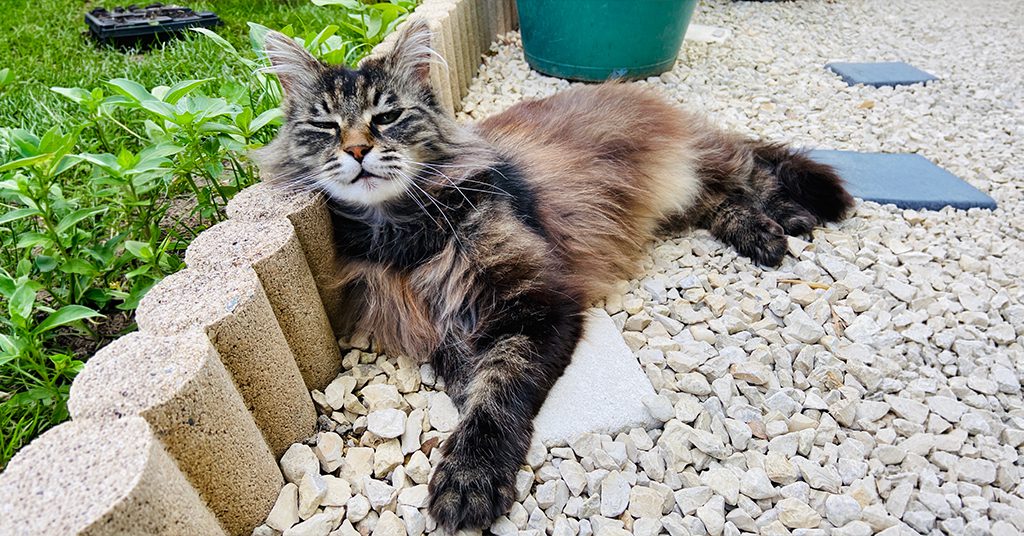
What Is Cat Heatstroke, and How Does It Differ From Heat Exhaustion?
Heat-related illness in cats falls along a spectrum, and understanding where heat exhaustion ends and heatstroke begins helps you respond quickly.
Heat Exhaustion: The Early Stage
Heat exhaustion occurs when a cat becomes overheated but its body is still managing to cope. A healthy cat’s normal temperature ranges from roughly 100.5°F to 102.5°F. During heat exhaustion, the temperature rises above that range, and your cat may seem restless, seek out cool surfaces, or groom excessively to spread saliva across its fur.
Heatstroke: A Medical Emergency
Heatstroke develops when body temperature climbs to roughly 105°F or higher and the cat’s cooling systems begin to fail. At this point, high internal temperatures can damage the brain, kidneys, liver, intestines, and blood clotting system. Cat heatstroke can progress within minutes, which is why any suspected case calls for immediate veterinary attention rather than a wait-and-see approach.
Why Cats Are So Vulnerable
Unlike people, cats can only sweat through their paw pads. They rely mainly on grooming and seeking shade, with panting as a last resort. Dogs pant routinely, but a panting cat is almost always a sign that something is wrong. Their small body size also means they can heat up quickly in an enclosed space, and a cat that can’t reach a cooler spot has very few options left. These limits explain why cat heatstroke can catch owners off guard, even in homes that feel only slightly warm to people.
What Are the Hidden Warning Signs of Heatstroke in Cats?
Cats instinctively mask illness, so the earliest clues of overheating are often behavioral rather than dramatic. Watching for small changes gives your cat the best chance of a good outcome.
Subtle Early Clues
Before obvious distress sets in, an overheating cat may pace, hide in a bathtub or on tile, stretch out flat on the floor, or groom far more than usual. Some cats become unusually clingy or vocal, while others withdraw completely. You may also notice a reduced appetite, reluctance to play, or unusual lethargy during the warmest part of the day.
Why These Signs Are Easy to Overlook
Lounging on cool tile or napping more than usual looks like ordinary summer behavior, so many owners don’t realize their cat is struggling. Indoor cats are especially easy to misjudge, since people often assume a home is a safe space from the heat. Paying attention to how your cat acts on hot days, and comparing it to its usual routine, helps you catch cat heatstroke before it reaches a critical stage.
Symptoms That Signal an Emergency
As cat heatstroke advances, the signs become harder to miss. Contact a veterinarian immediately if you notice:
- Panting or open-mouth breathing
- Bright red or unusually pale gums and tongue
- Drooling or thick, sticky saliva
- Rapid heartbeat or fast, shallow breathing
- Stumbling, weakness, or confusion
- Vomiting or diarrhea, sometimes with blood
- Collapse, seizures, or unresponsiveness
If you see these symptoms, call your veterinarian or the nearest emergency animal hospital right away and head in. The team can offer guidance while you’re on the way, and calling ahead lets them prepare for your cat’s arrival.
How Do Veterinarians Diagnose and Treat Heatstroke in Cats?
Veterinary care for heat-related illness focuses on stabilizing the cat quickly and then checking for internal damage that may not be visible from the outside.
Diagnosing Heatstroke
Diagnosis begins with a rectal temperature reading and a history of possible heat exposure. Because a cat’s temperature may already be dropping by the time it reaches the clinic, your veterinarian will also look at heart rate, breathing, gum color, and neurologic status. Bloodwork, urinalysis, and clotting tests help reveal how the kidneys, liver, and other organs are handling the stress. Sharing details such as how long your cat may have been exposed and where you found it helps your veterinarian confirm a cat heatstroke diagnosis and rule out other conditions with similar symptoms.
What Treatment Involves
Cat heatstroke treatment takes place in a hospital setting where the care team can monitor your pet closely. Depending on severity, care may include controlled cooling to lower body temperature gradually, intravenous fluids to support circulation and organ function, oxygen therapy, and medications to address complications such as seizures or abnormal clotting. Lowering the temperature too fast can cause its own problems, which is one reason professional monitoring matters so much.
The Recovery Process
Many cats need to stay in the hospital for one to several days so the veterinary team can track organ function and watch for delayed complications. Some effects of heatstroke, such as kidney injury, may not appear until 24 to 72 hours after the initial event. After discharge, follow-up visits and repeat bloodwork help confirm your cat is healing. Cats that experience heatstroke once may be more sensitive to heat afterward, so your veterinarian may suggest adjustments to your home environment.
How Do Cats Get Heatstroke, and How Can You Prevent It?
Most cases happen when a cat becomes trapped in a hot space or can’t escape rising temperatures. Recognizing these situations makes prevention much easier.
Common Causes and Risk Factors
Heatstroke in cats often results from being shut inside a hot car, garage, shed, sunroom, or clothes dryer. Air conditioning failures and summer power outages are common triggers in desert climates. Some cats face a higher risk than others, including:
- Flat-faced breeds such as Persians, Himalayans, and Exotic Shorthairs
- Kittens and senior cats
- Cats carrying extra weight
- Cats with heart disease, respiratory conditions, or thick, long coats
- Cats recently stressed by travel or a veterinary visit in hot weather
Everyday Prevention Strategies
A few simple habits go a long way toward protecting your cat during Las Vegas summers:
- Never leave a cat in a parked car, even for a quick errand
- Check garages, closets, and laundry appliances before closing doors
- Set your thermostat to a safe temperature when you’re away and have a backup plan for power outages
- Provide several shaded resting spots, cool tile areas, and multiple fresh water bowls
- Close blinds on sun-facing windows during the hottest part of the day
- Schedule carrier travel for cooler morning or evening hours
Routine wellness exams also help identify conditions like heart disease or obesity that make cat heatstroke more likely, giving you a chance to address risks before summer arrives.
Protect Your Cat From Desert Heat With Sahara Pines Animal Hospital
Heat-related illness can affect any cat, but awareness makes a real difference. Learning the quiet early signals, understanding which cats face higher risk, and planning for hot days and power outages can help your feline companion stay comfortable all summer long. When symptoms do appear, fast action and professional care offer the best chance for a full recovery.
If you have questions about your cat’s heat tolerance or want to discuss risk factors like age, weight, or heart health, the team at Sahara Pines Animal Hospital is ready to help. If you suspect your cat is overheating, don’t wait. Call us at for guidance or to schedule a wellness visit.
Recent Posts

About Sahara Pines Animal Hospital
For exceptional veterinary care in an environment that welcomes you as family, partner with Sahara Pines Animal Hospital and we’ll help you meet all your pet’s needs for a lifetime.